Research across the faculty connects scholarship with communities, policy, industry and the North Atlantic context that shapes Farshore.
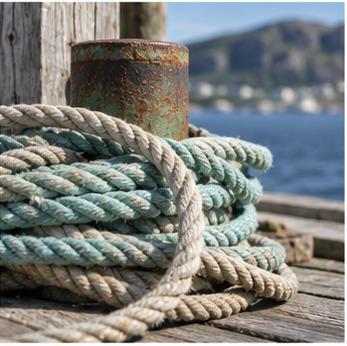
Research centre
Farshore Institute for Coastal Futures
Interdisciplinary research on coastal change, resilience, infrastructure and community futures.
Current priorities: applied research, graduate training, community partnership and explaining the project clearly enough for everyone to nod.
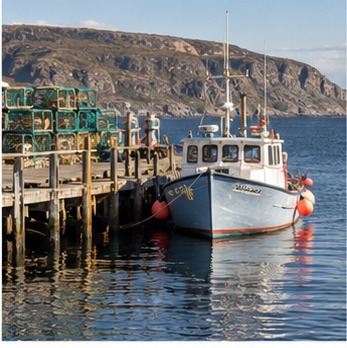
Research centre
Centre for Newfoundland & Labrador Studies
Research, archives and public scholarship on the province’s history, culture, politics and contemporary life.
Current priorities: applied research, graduate training, community partnership and explaining the project clearly enough for everyone to nod.
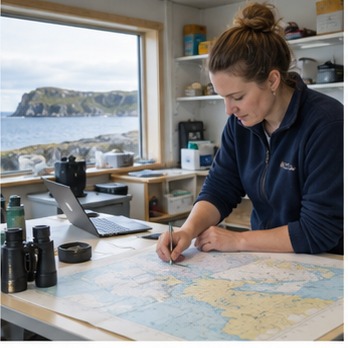
Research centre
North Atlantic Communities Lab
Comparative community research connecting Newfoundland and Labrador with northern and island regions abroad.
Current priorities: applied research, graduate training, community partnership and explaining the project clearly enough for everyone to nod.

Research centre
Institute for Fisheries, Oceans & Very Strong Opinions
Fisheries science, governance, livelihoods and the deeply held views that accompany all four.
Current priorities: applied research, graduate training, community partnership and explaining the project clearly enough for everyone to nod.